

BY PAM DELANY
When seeking the healthiest foods, few people consider food that grows in the desert. Yet some of the most nutritious foods in the Southwest come from one of its toughest landscapes — the Sonoran Desert. Life here grows by adapting. It stretches into heat that most plants would refuse. It leans into soil that often gives more stone than nourishment.
Yet for thousands of years, Indigenous communities not only survived in this landscape, they thrived. Their knowledge of desert foods reflects a relationship built on respect, observation, and reciprocity. Today, nutritional science is beginning to affirm what these communities have always understood. The desert is a web of nourishment.
Among its remarkable foods are nopales, mesquite f lour, and tepary beans. Each carries a story of resilience and cultural continuity, and each offers modern eaters a pathway toward healthier diets that honor heritage and place. Consumers can find these and other Sonoran Desert foods at Ramona Farms, Native Seed/SEARCH, Desert Harvesters, and local farmers markets.
NOPALES: A FAMILIAR PLANT WITH UNFAMILIAR STRENGTH
The prickly pear cactus is one of the most familiar sights in the Sonoran Desert, and its pads, called nopales, have been part of Indigenous and Mexican cooking for generations. Available in many produce sections, their bright, clean flavor pairs well with salads, sautés, stews, and even smoothies. They are both versatile and rich in nutrients. According to Barbie Cervoni, a New York-based registered dietitian and certified diabetes care and education specialist, the hydration-supporting cactus pads can play a meaningful role in supporting blood sugar balance. They contain soluble fiber that slows carbohydrate absorption and helps the body avoid sharp spikes in glucose. Cervoni describes how nopales can support heart health due to their antioxidant content and naturally low-calorie content. For people looking for gentle, food-based ways to improve metabolic health, nopales offer a simple and traditional option that has been used in desert communities for centuries.
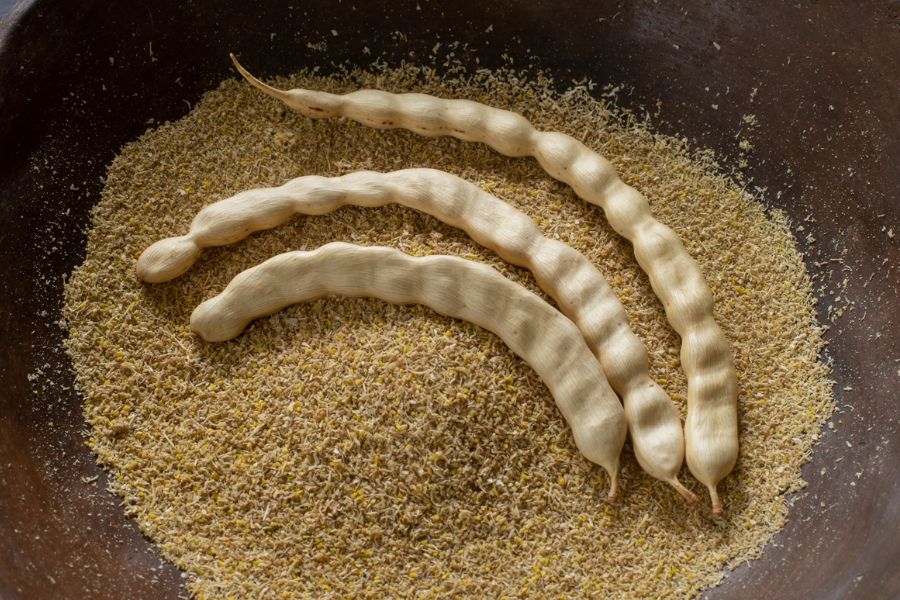
MESQUITE FLOUR: A SWEET, SUSTAINABLE TRADITION
The mesquite tree has anchored desert communities for thousands of years. Its long pods, once dried and ground into flour, were a central food in O’odham and other Indigenous diets. Mesquite flour offers a soft sweetness along with impressive nutritional benefits that modern bakers and health-conscious cooks are rediscovering.
According to food historians and nutrition researchers, mesquite flour has a naturally low glycemic index because its sugars are released slowly into the bloodstream. The flour is also rich in protein, calcium, and key minerals such as magnesium and potassium. Before the arrival of wheat flour or refined sugar, mesquite contributed steady energy and balanced nutrition to desert communities. It is also one of the most sustainable ingredients available in arid climates. Mesquite trees require no irrigation, improve soil health, and withstand extreme heat, making them valuable allies as the Southwest warms.
TEPARY BEANS: A DESERT SUPERFOOD SHAPED BY CULTURE
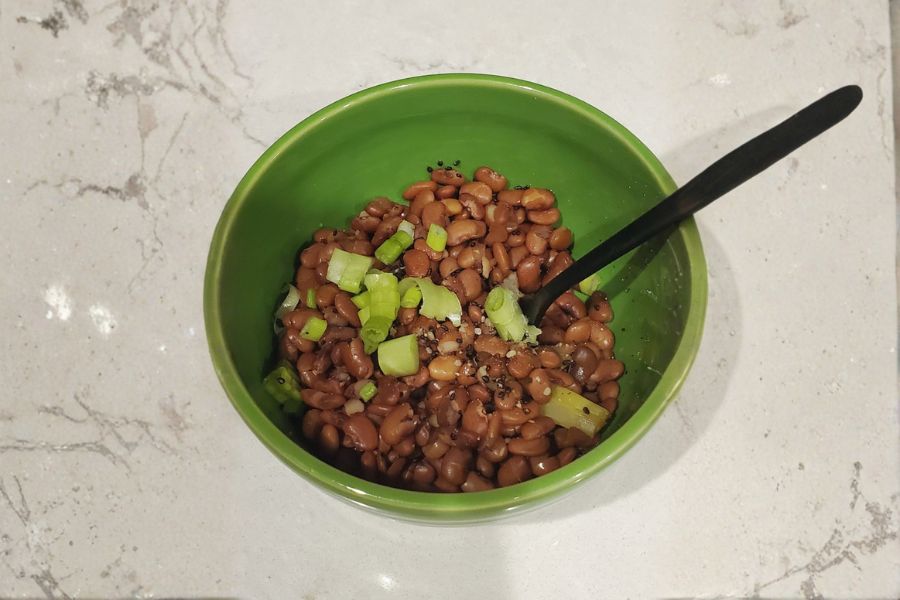
Among the desert’s most powerful foods are tepary beans, known to the Tohono O’odham as bavi. They reflect not only nutrition, but the cultural knowledge that shaped them. According to historical accounts and agricultural researchers, tepary beans were cultivated in central Mexico as far back as 6,000 to 7,000 years ago. They grew throughout the Southwest, where O’odham farmers planted seeds just before monsoon rains so the water could carry them into the soil. Once sprouted, the plants pushed deep roots, curled their leaves to conserve moisture, and matured quickly in the heat.
The nutritional strength of the tepary is as remarkable as its resilience. A half-cup serving provides 23 grams of protein, 56 grams of fiber, and significant amounts of calcium, potassium, and iron. It contains only one gram of fat and is rich in vitamins and minerals. This combination of protein and fiber helped keep Indigenous communities healthy for generations.
Today, the tepary bean is returning to the table. Growers such as Ramona Farms are working to honor and revive the cultural importance of these farms. This simple bean is a symbol of endurance, a food that remembers how to live well in a harsh climate. Its resilience offers lessons for the future.
A STORY OF PLACE, HEALTH, AND RENEWAL
 Nopales, mesquite, and tepary beans each tell a story about the desert, but together they reveal something larger. They represent a way of eating that works with the land rather than against it. They highlight the wisdom of Indigenous communities who learned how to live in partnership with this environment. They offer modern households a chance to reconnect with heritage foods rich in health benefits.