

Imagine using the power you don’t use to power your home much after the sun goes down, storing it in the sunshine, and creating your unique electricity out of the sunshine. Even consuming energy from the electronic car parked in your garage, this reserve of electricity is still present when the neighborhood experiences power loss.
As an interesting novel era of energy democratization approaches, this again modern picture is becoming a reality. Homeowners now have greater control over their energy thanks to fast advancements in solar technology, which opens up new opportunities to lower electricity costs while gaining greater security and independence.  ,
The disappearing tax credits, struggling businesses, and changing government regulations are frequently the subjects of headlines about the solar industry. There is a bigger story: homeownership is not more likely to have a better home, and technology has never been more advanced.
For the past 20 years, we have had a first-hand experience with this transformation at Sun Valley Solar Solutions. Solar has evolved from a pricey method of paying off electricity bills to the foundation of energy independence.
12 000 installations afterward, we think the most exciting solar developments are just beginning.
Sun Valley Solar, which was founded in Chandler in 2006 by two previous Intel engineers, is celebrating 20 years of assisting Arizona residents and businesses in transforming their energy future.
How Solar Power After the Dark Restored Energy
Electricity has followed a fairly straightforward model for generations. It is produced by huge power plants, distributed by utilities, and consumers make purchases in response. While a consolidated system is still necessary, thermal has created a potent alternative: the ability for people and businesses to generate electricity themselves.
The effects in Arizona are particularly compelling in a state with vast sunshine.
Most customers were motivated by the idea of lowering their electricity bills when we started installing thermal systems in 2006, according to the majority of our customers. Economic benefits were significant, too, but the final purchase decision frequently favored the financial factors.
As technology developed and costs decreased, renewable energy became more affordable. It is then a practical choice for all sizes of homes and businesses.
However, renewable has a significant limitation from antiquity. Homeowners typically had to use solar energy as it was generated without having to store it, or send the surplus again to the grid. When the sun set, they went back to using the electricity they had already purchased from their utility.
That impediment helped to prepare for the onset of the second significant change.
Beyond government incentives, Solar moves toward affordableness.
Government subsidies have contributed significantly to photovoltaic development for the majority of its history. One of the most significant was the provincial residential solar tax credit, which covered 30 % of new installation costs. Its end-of-life date of 2025 marked a significant turning point for the sector.
Losing for a significant incentive threatened photovoltaic future, and its disappearance has presented challenges for both installers and consumers, but hope persisted.
Solar technology has increased significantly over the past 20 years as it has become more affordable, more effective, and worthy. What homeowners can do with the electricity they generate has been greatly expanded by advances in battery storage.
The benefits of switching to solar energy are then the same as they were when you first started out: having the freedom to produce your own electricity, store it for later, and have greater control over one of your family’s most important resources.
Government incentives aided in accelerating renewable adoption. However, we have faith in the technology’s future because of the value it continues to provide and the technological advancement that continues to be that it has.
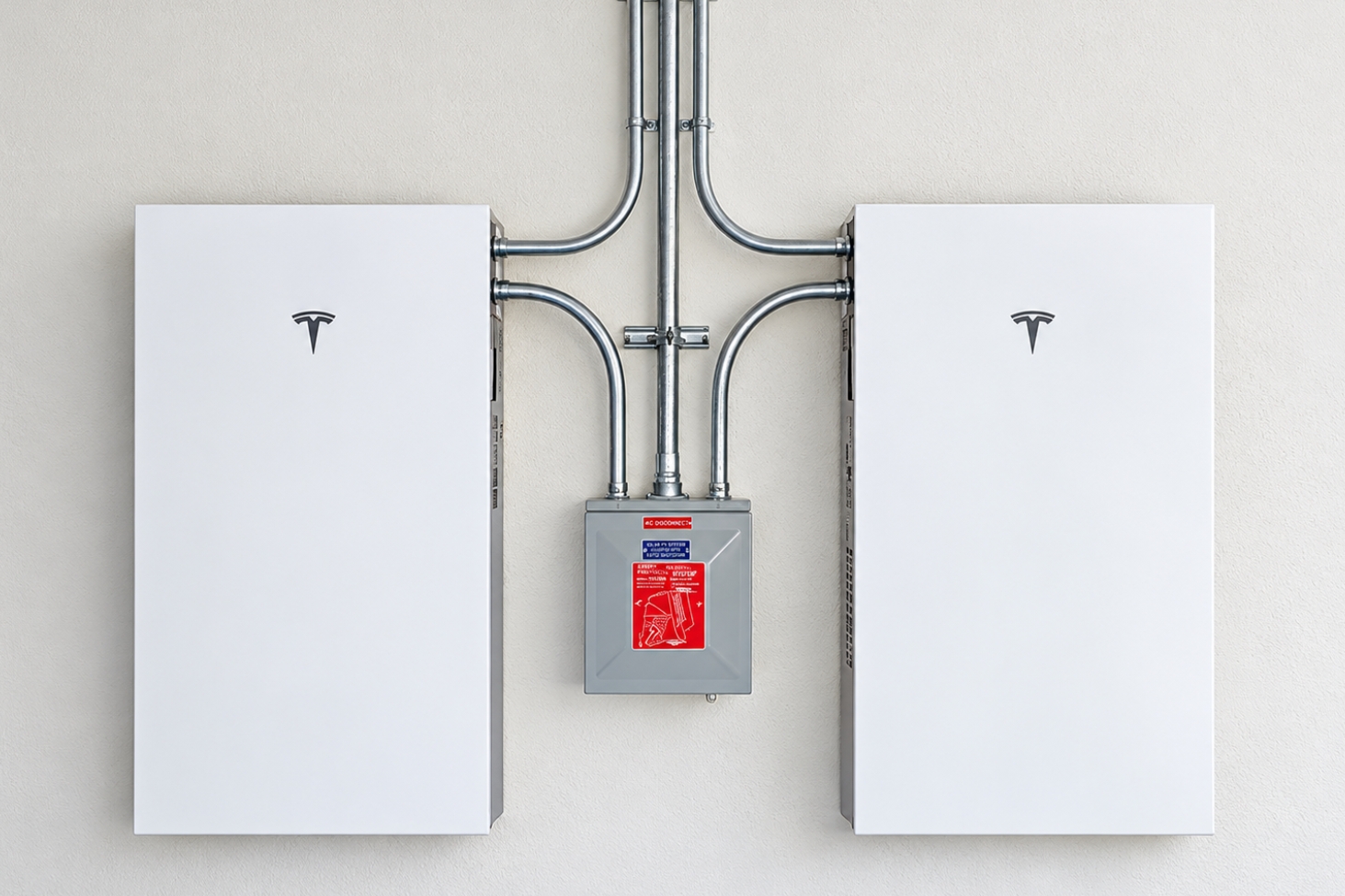
How Batteries Improve Energy Independence
If rooftop solar enabled homeowners to generate their own electricity, battery storage also provided them with something extremely crucial: the ability to choose when to use it.
Homeowners can store solar energy for use during cheap on-peak hours, immediately, or during an unanticipated power outage rather than sending it back to the grid. That translates to a whole new level of energy security and flexibility for some families.
Keep a home powered during an interruption is critical in Arizona, where air conditioning is required for a large portion of the year. With adequate capacity, well-designed battery systems can keep cooling systems running while further reducing reliance on the exceedingly pricey grid power.  ,
Our battery installations increased by 39 % in 2025 alone compared to the previous year, and interest in these batteries has grown significantly. A comparable increase is likely to occur in 2026.  ,
People are rethinking energy different. Owners don’t just inquire as to how much electricity their solar panels can produce. They are enquiring as to how much of that electricity they can conserve for themselves.
And solar panels are not always helpful, either. The energy that is stored in standalone battery systems can be used to reduce or eliminate the need to purchase electricity during cheap on-peak times. They also have the ability to provide backup power in times of power outages, giving homeowners who aren’t willing or able to install rooftop solar more money, security, and flexibility.
Your House as an Energy Ecosystem: The Future Frontier
Imagine driving your family across town while using the sunshine in Arizona to power your home after returning home with much electricity stored in your car to power your home in the event of a power outage.
This idea is transforming into a reality. Compatibility-based electronic vehicles can do more than just use electricity thanks to advancements like Tesla’s Powershare. They can then successfully act as an extension of the home’s energy storage system by returning stored energy when it is required.
Instead of thinking about electricity as something that is bought and used from a utility, homeowners can start thinking on energy as a resource they can generate, store, and use when they need it, all powered by the sun.
It represents a realistic depiction of how energy independence might look.
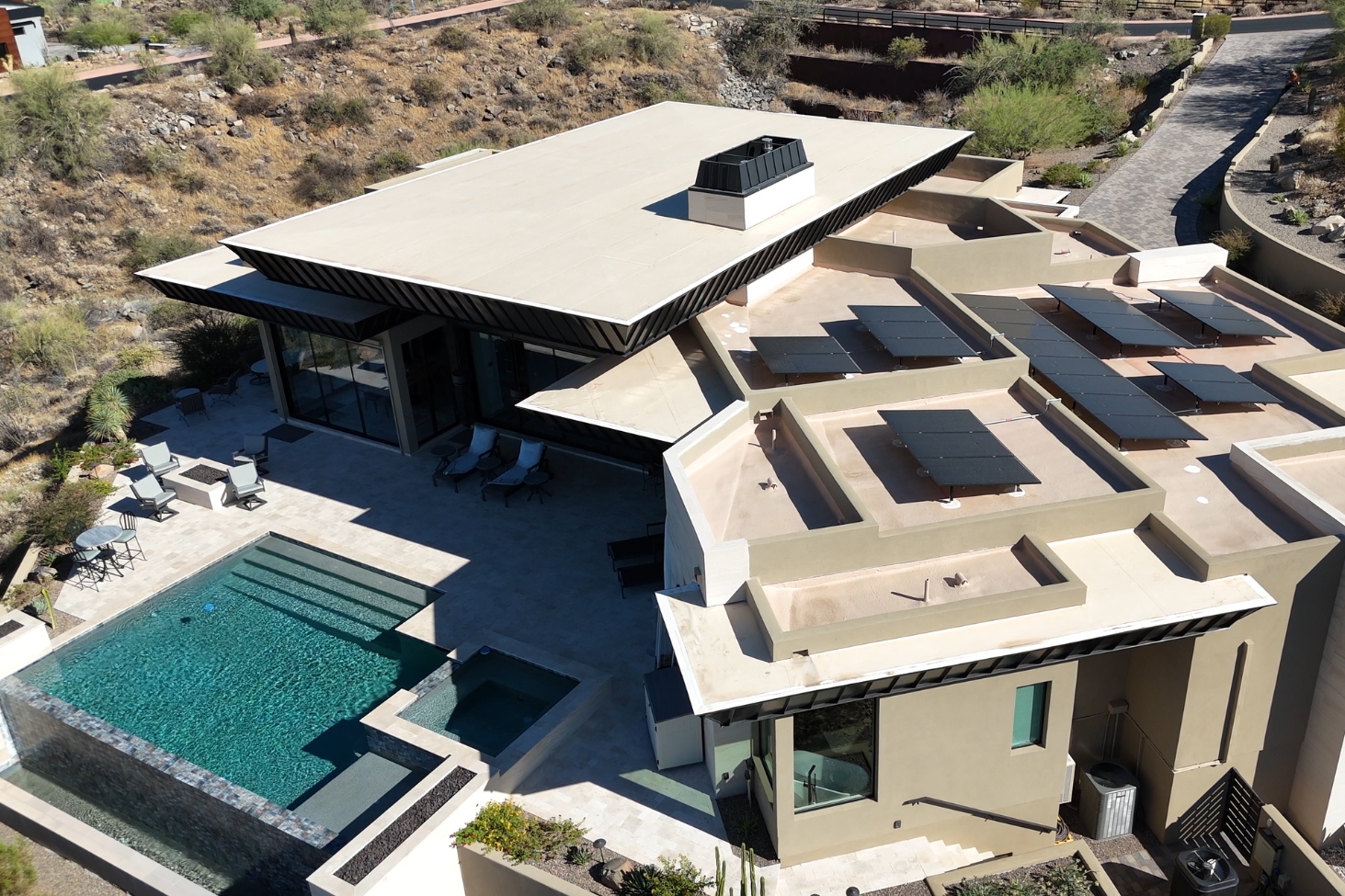
Twenty Years of Change, One Constant.
We’ve seen a flurry of incentives, monetary shifts, and a crammed market. The solar industry has evolved over the past two decades because of technological advancement and volatility.
Numerous renewable companies have vanished. Sun Valley Solar Solutions is also standing strong despite everything, which is a testament to the trust we’ve built and the foundation we’ve laid in Arizona.
For homeowners who invest in decades-old equipment, company longevity is more than just a technical aspect; it’s also a piece of mind. We prefer honesty and perfect transparency over high-pressure, hard-sell tactics. We take the time to educate our customers so they can make informed choices.
We think selling the most advanced technology is more important than achieving long-term success. It calls for attentive engineering, high-quality workmanship, and a commitment to long-term customer support.
Instead of relying on external contractors, we maintain our own teams for system design, installation, and maintenance. We’ve been making continual investments in the people and infrastructure required to support the systems we’ve put in place over the years.
Technology will never be the same. Our duty to our customers is not.
Collectively, we have the power to control the future of energy.
We’re thankful for the customers, employees, and community partners who made this journey probable as we celebrate our 20th anniversary, and we’re excited about what lies ahead.
How each system can contribute to a cleaner and more tenacious energy future will determine how much solar energy will be produced in the upcoming era.
Twenty years back, it seemed revolution to generate electricity from your own rooftop. Today, renewable power has proven to be a viable and worthwhile alternative to using only utility-generated electricity.
And the ability to use that energy on your own terms, use it, and yet use power from your garage to power your car? The revolution is only getting going.