
REBECCA L. RHOADES
For some people, poutine is the one dish that defines French cuisine. Since its introduction in Quebec snack bars in the late 1950s, the country’s illegal national dish has been the hearty combination of French fries, cheese curds, and brown gravy.
But the landscape and chefs who work there also feature regional ingredients and traditional dishes from around the world. And nothing in Canada’s largest province, Quebec, can be seen as clearly demonstrating that connection to the land.
FRENCH TECHNIQUE ATTENDS INDIGENOUS ABUNDANCE
In Vieux-Quebec, the historic center of Quebec City, you’ll find it whether you’re craving standard Québécois cuisine or something with a more contemporary twist. Dinner is typically three or four hours long, and the meals these are slower and meant to be enjoyed.
Légende, a current boreal cuisine that honors Canada’s First Nations heritage and is based in Quebec’s terroirs, is a must for any gourmand.
Chef Elliot Beaudoin says,” Everything we serve is grown locally in Quebec or within Canada.” We don’t employ any “extraordinary” ingredients. We don’t have any lemons or limes also behind the bar. There are no pepper, cacao, or avocado oil in the kitchen. We simply use things that are growable.
Légende received its first Michelin Star as part of the province’s annual guide in 2025.
” Being one of the first chefs to earn a Michelin star is something really great for us,” Beaudoin continues. ” We can ultimately show everyone the food from Quebec.”
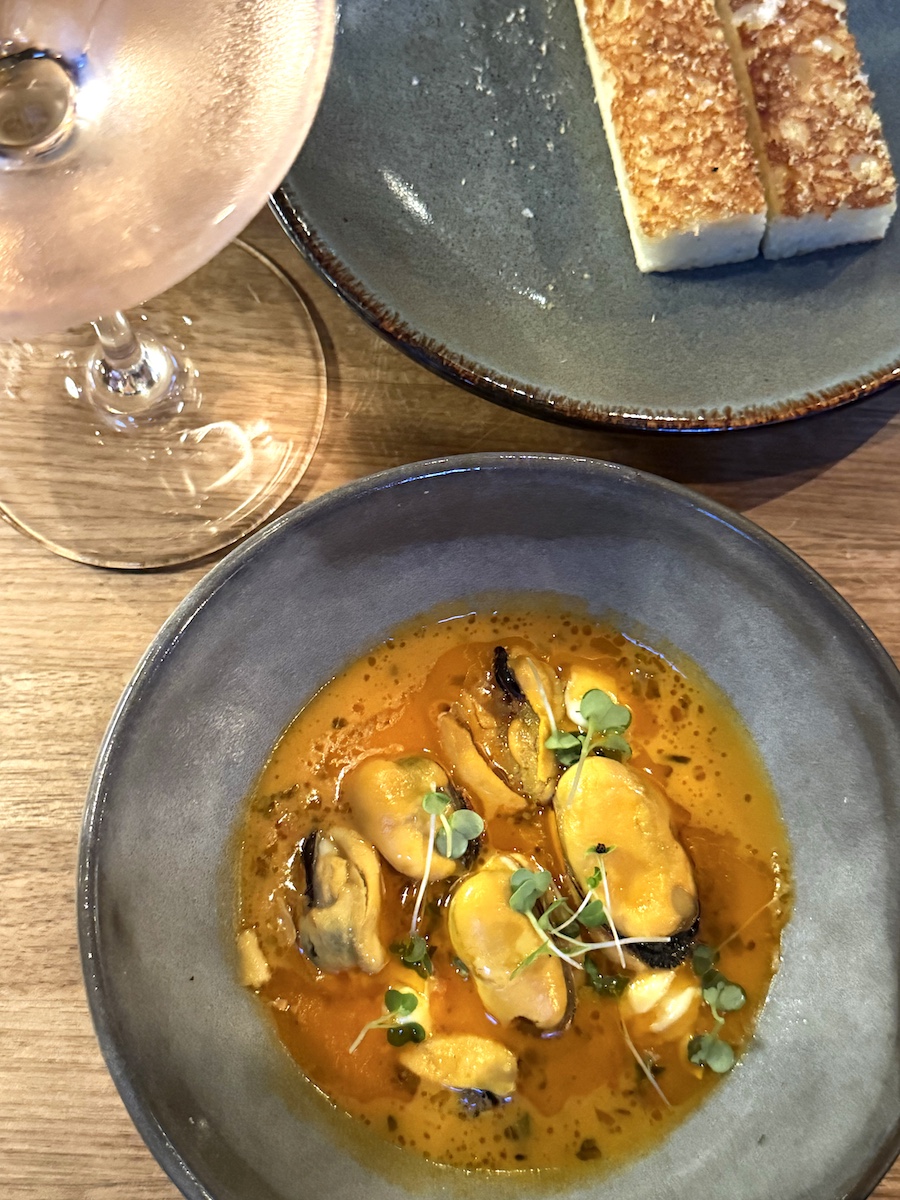
Each dish has been carefully chosen. A homemade maitake butter, fermented daikon, and pale radish are served with a bottle of Gaspé’s coffee. In a saffron broth with chorizo from Charlevoix, mussels and escabeche are served. A pine vinegar-infused venison dish is served with a fennel and radish salad, which is then topped with a mixture of hazelnut and spruce.
The Auberge Saint-Antoine, a Relais & Châteaux two Michelin Key boutique hotel, is about a half-mile ahead. Chez Muffy is a luxurious farm-to-table French-Canadian restaurant that serves produce from its own natural farm. It was built in an 1822 maritime warehouse that is attached to the hotel.
Farm-harvested onions, native mushrooms, fish roe, and eggplant cannelloni with smoked tomato foam are added to traditional favorites like foie gras, candy, Atlantic halibut, and Nova Scotia lobster. Just the restaurant’s 700-label wine list can rival the food menu.
A LAND FOR Eating
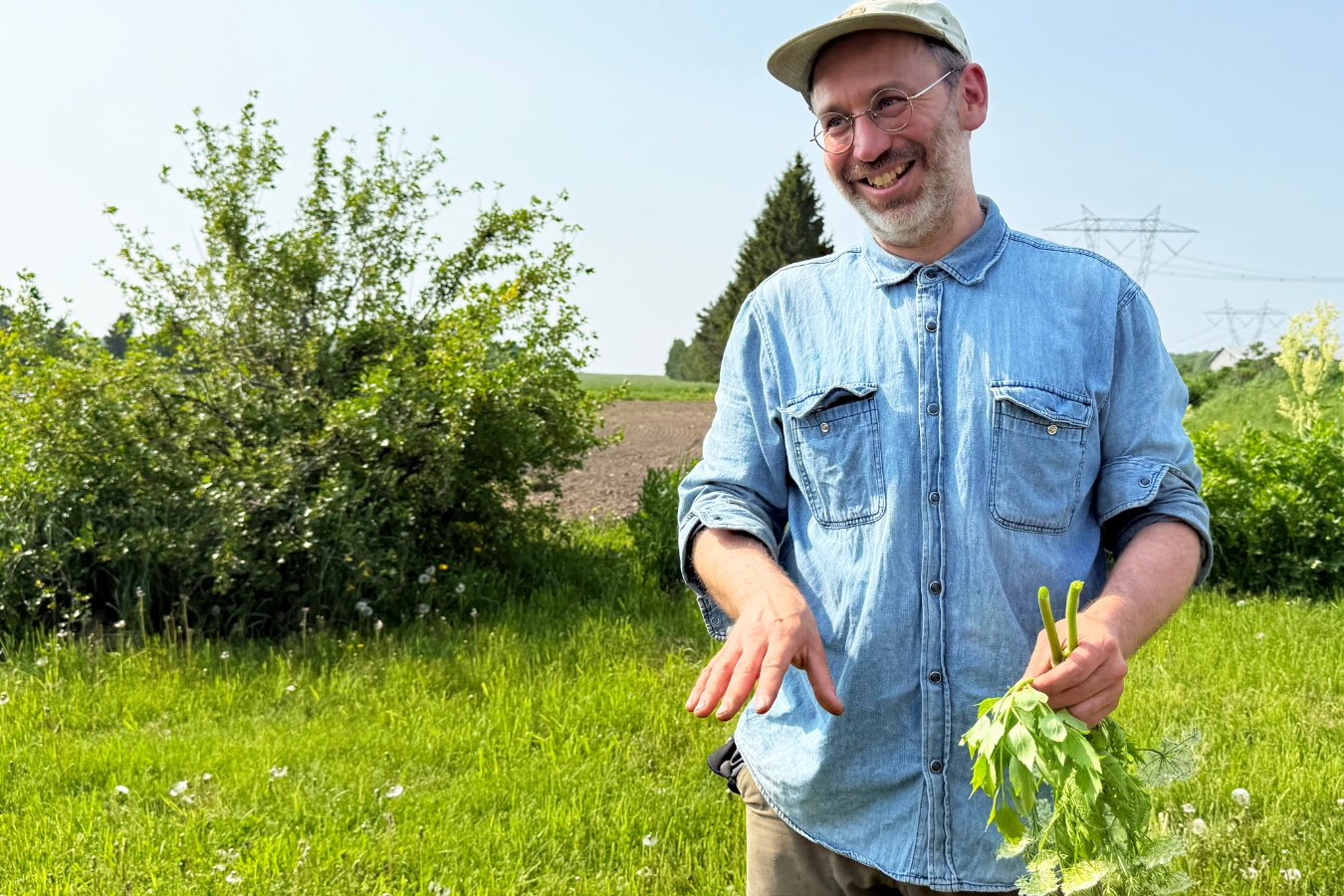
In the middle of the St. Lawrence River, Île d’Orléans is located about 15 minutes from Quebec City. Agriculture thrives year-round in this region, giving local restaurants new annual ingredients. Visitors will find family-run businesses that sell everything from cider to dark currant syrup to succulent fruit picked directly from the canteen to Old World cheeses. The unique road that circles the island consists of picturesque shacks, produce stands, miles of rural farmland, deep orchards, and beautiful vineyards.
Frantz Nol, the owner of La Conciergerie du Terroir, a tour company that offers private guided epicurean journeys across the island, says that” Île d’Orléans is well-known for its strawberries.” The rest is full of vineyards and orchards, and we also grow a lot of potatoes and corn.
Filles, sisters Catherine and Anne Monna, are the fifth-generation producers of crème de cassis, a tart dark liqueur made from black currants, which thrives on the island. According to Anne,” We have the ideal climate for growing dark currants.” The river, a lot of wind, and a very wealthy and well-drained soil contribute to a microclimate. Additionally, there is a lot of snow, which the berries require.
Ferme du Coteau, the secret farm owned by Auberge Saint-Antoine, is also on the island. Farmer Alex Faille manages 60 acres of fruit orchards and croplands that supply Chez Muffy with pure, fresh ingredients.
Owner of Auberge Saint-Antoine, Evan Price, calls Alex a “very artistic gardener.” He frequently considers the various vegetables or fruits that we can grow below. We’re working on growing this project even more, which started out as a very little one. Almost all of the vegetables and fruits served at Chez Muffy will come from around during the summertime.
It’s a notion that is repeated throughout the province.
A SENSE OF PLACE
A lush region located 90 minutes north of the St. Lawrence River, Charlevoix, is home to spectacular cliffs and deep valleys that are home to a rich agricultural past that dates back hundreds of years. Family farms around produce artisanal products like cheeses, honey, wines, and more.
Faux Bergers, an award-winning craft cheesemaker located on the farm of Famille Migneron de Charlevoix, is one of the best places to sample the regional flavors. Chef and co-owner Émile Tremblay serves up inventive dishes made with local ingredients like whelk, capelin, arctic char, and beef short ribs during the hyper-local restaurant’s nine-course dinner, which has been updated daily to reflect the season and available ingredients, while also sharing tales about each item and its regional purveyors.
The small town of Stanbridge East is located about an hour north of Montreal, close to the Vermont border, in the small town of Stanbridge East. The famous gardener Jean-Martin Fortier’s vegetable-forward eatery, Espace Old Mill, will disappear if you ignore the 1849 red-brick building. A multicourse menu prepared by executive chef Éric Gendron honors the bounty from the property’s half-acre garden.
According to Fortier,” I started this restaurant because I wanted to have a space where I could show people that you can eat around in Quebec year-round in the off-season.” In 50-foot-long beds and a carbon-neutral greenhouse that are located steps away from the restaurant’s kitchen, he grows more than 65 different kinds of vegetables, herbs, and nutritious flowers. And it all ends up on the plates of the guests.
The restaurant received a Green Star from Michelin in spring 2025 for its ultra-local sourcing, responsible gastronomy, and regenerative agriculture principles.
Because that’s what the vision was, Fortier says,” The Green Star means more to me than the standard star.” ” We cook and sell everything we grow just to have the recognition that all the efforts we’ve put into building this place have been made.” There is no waste here.