
REBECCA L. RHOADES
Robert Mesta sits surrounded by displays of feathers of all sizes and colors, taxidermied birds, and Native American implements made from feathers in a small room hidden away in the back of Liberty Wildlife, a wildlife rehabilitation center in west Phoenix.
On the table in front of him is a stack of papers resting. The pages, which were sent from across the country, include ostensibly strange requests: One gentleman requests the carcass of an adult male northern shrike, a pint-size predatory songbird that is found only in the northern reaches of the United States and Canada. Another wants a hawk’s tail; red-tailed is preferred, but Harris ‘ or rough-legged will do. And a woman in Alaska searches for puffin beaks to make a standard Tlingit dance skirt.
After going through the applications, Mesta and his coworker, Mare Van Dyke, head over to a row of cabinets and refrigerators and begin removing bags overflowing with feathers, claws, and also whole birds. They take care to match the pattern, size, and color of each item with the requestor’s needs and make sure the item matches its requirements. Finally, the last choices are boxed and ready to be mailed.
Each finished shipment represents both a historical and conservationist victory.
The Liberty Wildlife Non-Eagle Feather Repository, one of just three organizations in the nation that is permitted by the U.S. Fish and Wildlife Service to accept, hold, and distribute feathers, is managed by Mesta and Van Dyke, both of whom serve as the director and coordinator. Since 2010, it has worked to give Native Americans a legitimate and no-cost source of non-eagle feathers and birds for use in rite, worship, and healing.
Mesta, a Pascua Yaqui Tribe member, explains that “our goal is threefold: to help sustain both Native American cultures and even to help sustain our North American bird populations.” The tribes come to us for their feathers, and if they do that, they won’t buy them off the dark market, the idea is. And there is no profit if they are not purchasing them. And if there isn’t a profit, people stop killing birds.
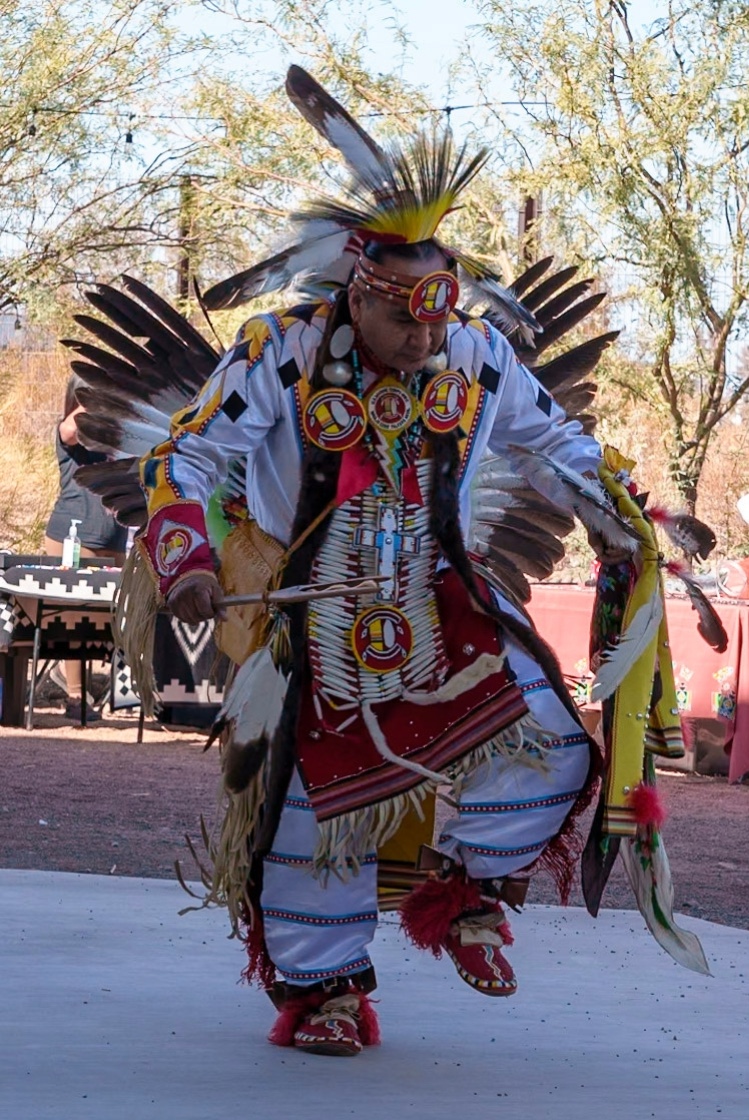
Native Americans have usually had a special bond with animals, especially birds, across tribes and cultures. They create their regalia and healing tools using feathers for ceremonies, dances, and spiritual practices. And they give them as gifts to honor achievements and major life milestones. Native tribes have gathered feathers from birds that had been taken from their ancestral lands for centuries, bringing just what they needed.
But, in the late 19th and early 20th centuries, illegal killing of birds by white settlers and professional hunters and trappers for food, sport, fashion, and profit, along with the loss of habitat, led to the extinction of numerous species. Some species were hunted until they were on the verge of extinction, such as the Labrador duck, heathen, and passenger pigeon, which was once so many that it was thought that no humans could potentially reduce their numbers.
Some people pushed for laws that would stop the decline and protect native bird species as the word about the widespread slaughter of birds began to spread.
The Lacey Act, which was passed in 1900, prohibited the trafficking in fish, wildlife, and plants that had been taken, possessed, transported, or sold without authorization. The United States passed the Migratory Bird Treaty Act in 1918. It was intended to safeguard local bird species, and it forbids the sale of feathers, bird parts, and eggs.
” These laws were quite successful in halting the decline of a lot of different species. None of them, but, had provisions that allowed Native Americans to continue to harvest wildlife for ceremonial or religious purposes, Mesta explains.
Tribal members lost their ability to carry out significant cultural practices by losing the ability to obtain feathers officially. Some customs, rituals, and dances sadly fade away.
More is lost until you’re three or four generations old and don’t know half of what was a major part of your particular tribe because you didn’t have access to these feathers, according to Mesta.
He continues,” Feathers are perhaps the most memorable symbol for Native Americans because they are both spiritual and revered.” Feathers are present at birth, when people transition to being a man or woman, in a marriage, when healing is being done, or when one acknowledges death. They are present throughout the life cycle. That’s how important they are, really.
A large black market developed as a result of the illegal sale of guarded species, which still exists today. Mesta points out that “every year, thousands of birds are taken fraudulently and sold on the charcoal market.”
Mesta and FWS leaders worked together to find a proactive solution that would give Native Americans ages 18 and older from federally recognized tribes a legitimate supply pipeline for feathers in an effort to combat poaching and the illegal bird trade. The LWNEFR was established in 2010 in collaboration with FWS. The National Eagle Repository in Commerce City, Colorado handles the feathers for both the bull and the beautiful eagle. Additionally, the Comanche Nation in Oklahoma runs a related, but little smaller, non-eagle repository.
The LWNEFR has received feathers from Native Americans from 276 tribes across 46 states and processed more than 8, 000 requests since its formation. More than 1,200 species are represented in it, including the smallest of hummingbirds to big condors, silvery-black anhingas to salmon-pink flamingos, white owls to red-tailed hawks. The repository also has plumage from exotic birds like the red macaw and the great argus pheasant, whose brilliant red feathers have been valued by the Pueblo peoples of northern New Mexico for centuries.
Rehabilitators, zoos, museums, veterinarians, and falconers donate money to the inventory. Private individuals even send in bird carcasses and feathers that have been discovered or that have been left in their families, frequently for generations.
Native Americans who do not reside on tribal lands receive the majority of the requests the LWNEFR receives. There are currently nearly seven million Native Americans living and working in metropolitan areas.
According to Mesta, Arizona has the third-largest Native American population in the country, with more than 22 officially recognized tribes. Census data indicates that the Phoenix metropolitan area is home to about 30 % of the state’s cultural residents.
” For a lot of different reasons,” Mesta explains,” Native Americans ended up in urban areas that have no connection anymore to the tribal lands that provided feathers.” However, feathers are the foundation. They have kept these tribes and their traditions alive throughout history.
According to Mesta, Mesta and Van Dyke process about 500 orders annually, which are “literally thousands and thousands of feathers,” Mesta notes, and the volume of requests is growing year by year. One less bird is taken from the crazy for every feather, carcass, and set of wings that go up.
” I can’t tell you how much of an impact we’re having on preventing the black market, but I can assure you that we’re offering a significant alternative to the purchase of unlawful feathers.” And more and more African Americans profit from it, according to Mesta. And that’s incredibly healthful and beneficial for everyone.
Celebrate wildlife in traditional cultures
Native Americans have had a specific relationship with the animals in their natural world throughout history, one that has helped shape and sustain their cultures. The Liberty Wildlife Non-Eagle Feather Repository welcomes guests to its Third Annual LWNEFR Native American and Wildlife Celebration to honor the different heritage of the nation’s indigenous people.
Robert Mesta, director of LWNEFR, says” This event celebrates the connection between indigenous people and the wildlife in their environments, which plays such an important role in their cultures.” Because we have a huge collection of life animals, especially birds that are important to Native Americans, and we get to bring everyone together, we are in a special position to be able to do that.
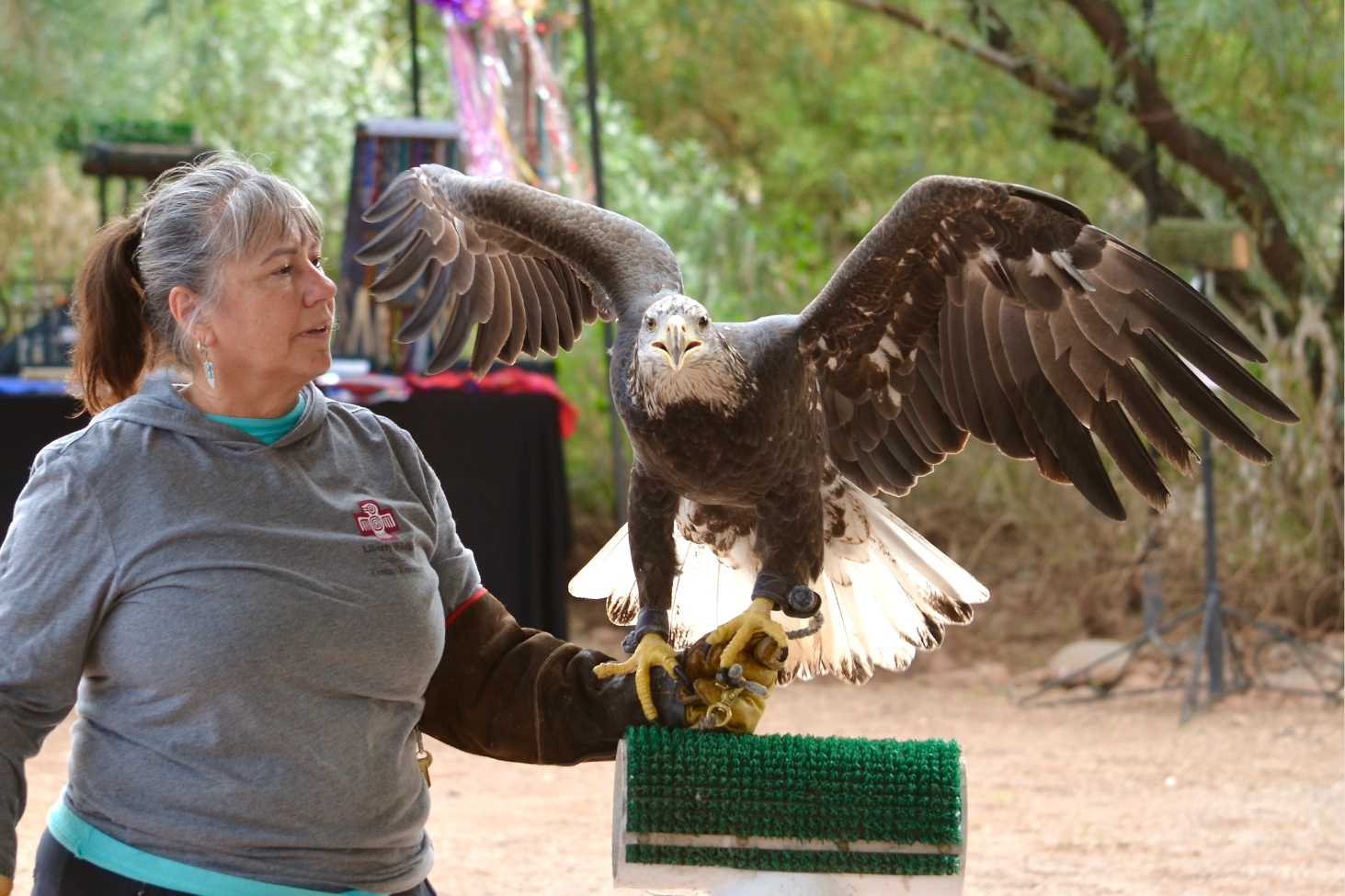
The celebrations begin with the eagles ‘ blessing, a unique opportunity to get up close and personal with one of the center’s owl ambassadors. Before presenting the eagle with a gift of tobacco, which is rubbed onto the bird’s feathers as an offering, the eagle is given a gift of tobacco, which is rubbed onto the bird’s feathers after being scratched — cleaned by the smoke of burning spiritual sage bundles by a Native healer.
The celebration also includes performances by Native dancers, singers, and drummers, a Local crafts market, African foods, and exhibitions of regalia, art, and more. Liberty Wildlife’s always-popular raptor flight presentation and the chance to view live eagles, hawks, owls, and other wildlife. Additionally, guests can meet with Mesta and those who have benefited from its services and learn more about the LWNEFR.
Clean. Sunday, Nov. 15, 9 a. m. – 4: 30 p. m. Liberty Wildlife, 2600 E. Elwood St., Phoenix.