

Detecting Forever Chemicals in Water Systems
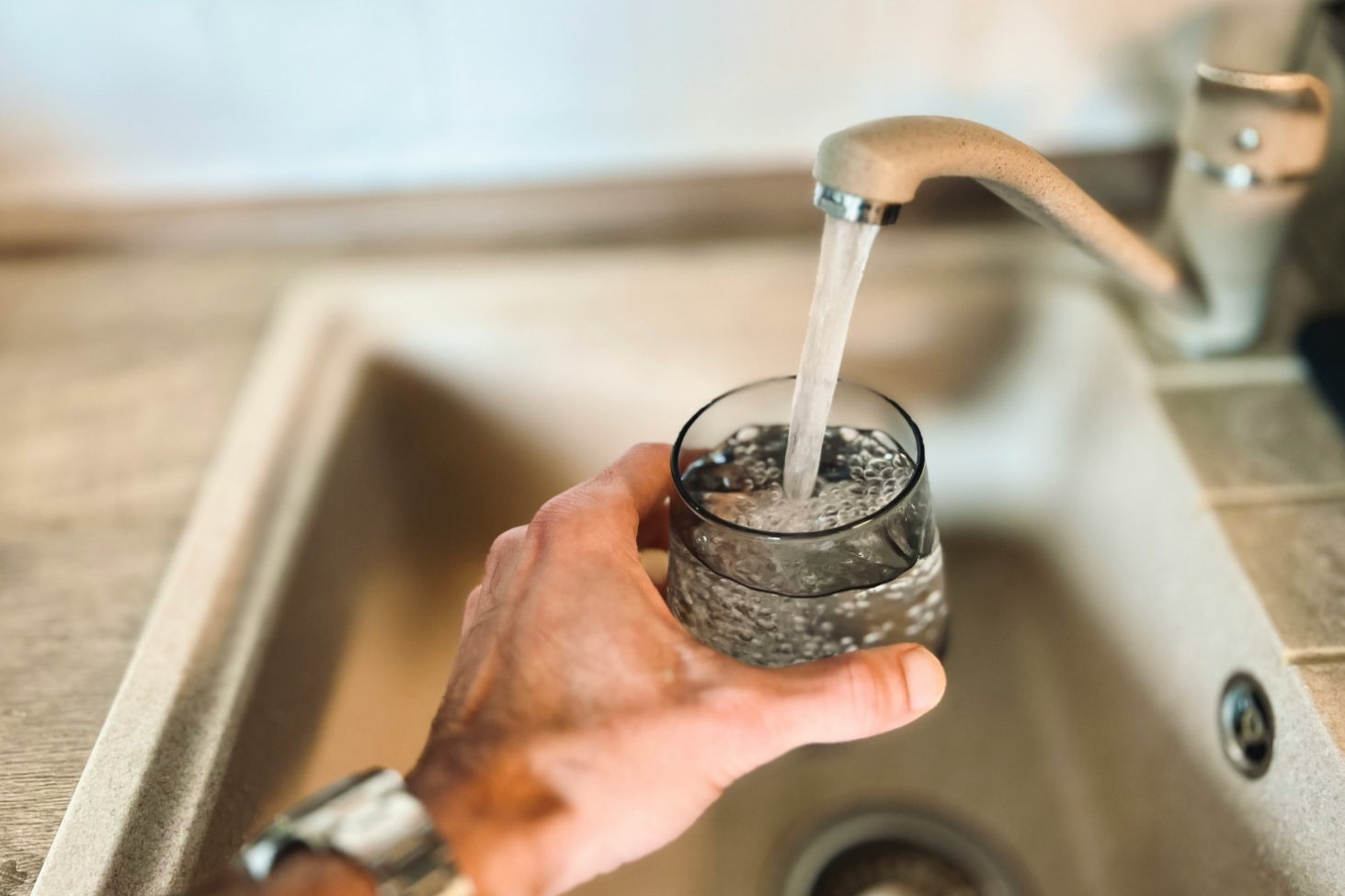
Almost half of U.S. tap water is always contaminated with PFAS or chemicals, but testing has been difficult and time-consuming up until now. Using engineered yeast and AI-designed proteins to detect PFAS in municipal water systems and monitor their removal, innovative technology developed by Columbia University and City College in New York has been developed. In the future, this bio-hybrid approach may result in safer and cleaner drinking water.
Rooftop sprinklers may lessen industrial heat
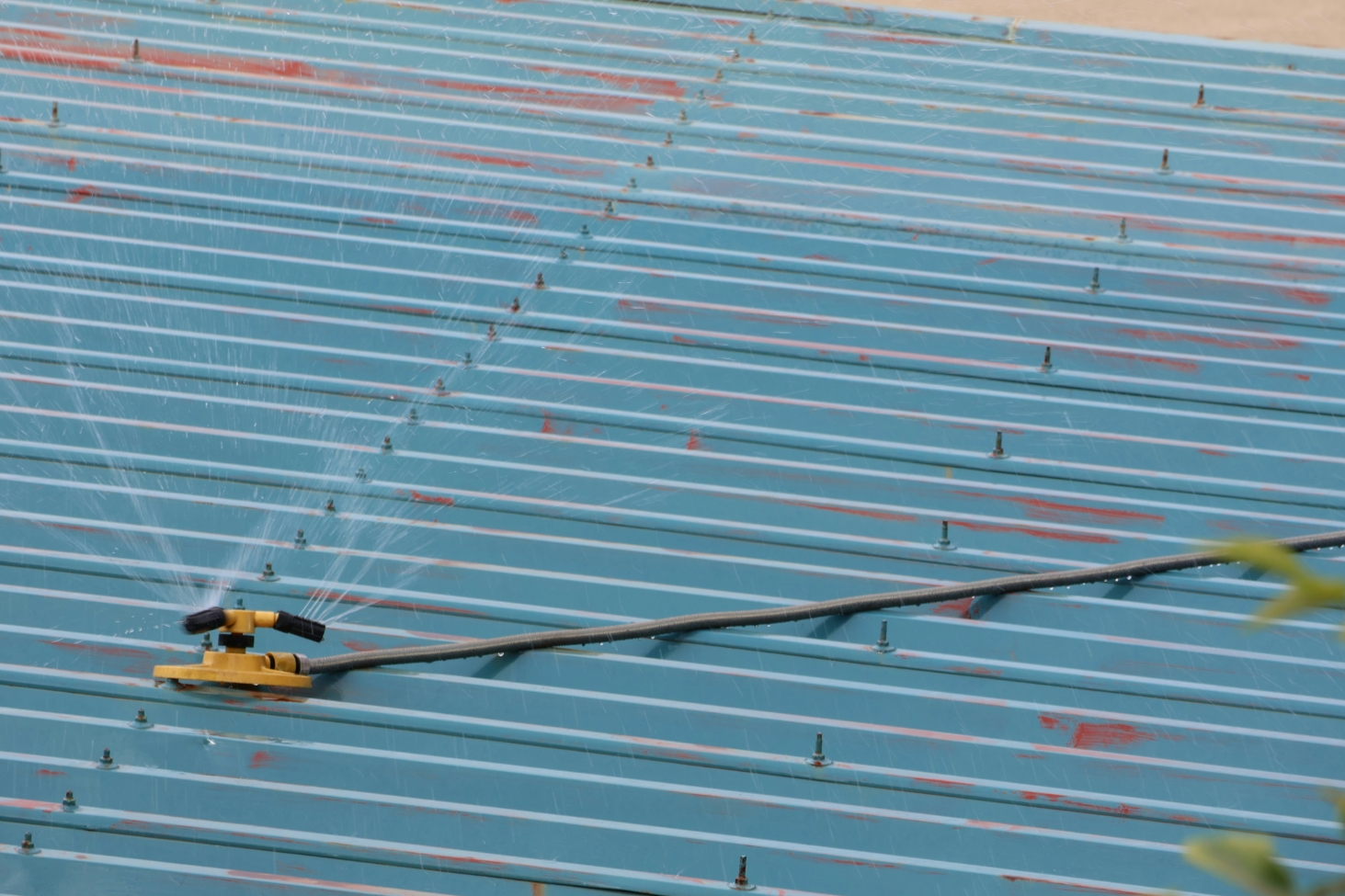
Researchers at the University of Manchester in England are looking into how to cool homes while keeping rain in storage. The team used Tokyo, Japan as a case study to collect rainwater, store it in storage tanks, and distribute it using wise rooftop sprinkler systems. They discovered that this system not only cools the house’s exterior, but it also lowers the house’s interior temperature during heatwaves and lowers the AC unit’s load.
Arizona has a brand-new regional park

It’s standard! The official name for the Chiricahua National Park, which is close to Willcox in the southeast of Arizona, has been changed to Chiricahua National Monument. The designation, which includes the 64th in the United States, joins the Grand Canyon National Park, Petrified Forest National Park, and Saguaro National Park, as well as the third regional park in the state of Arizona, was signed into law on October 20.
Recycling Stubborn Plastic as Engine Lubricant
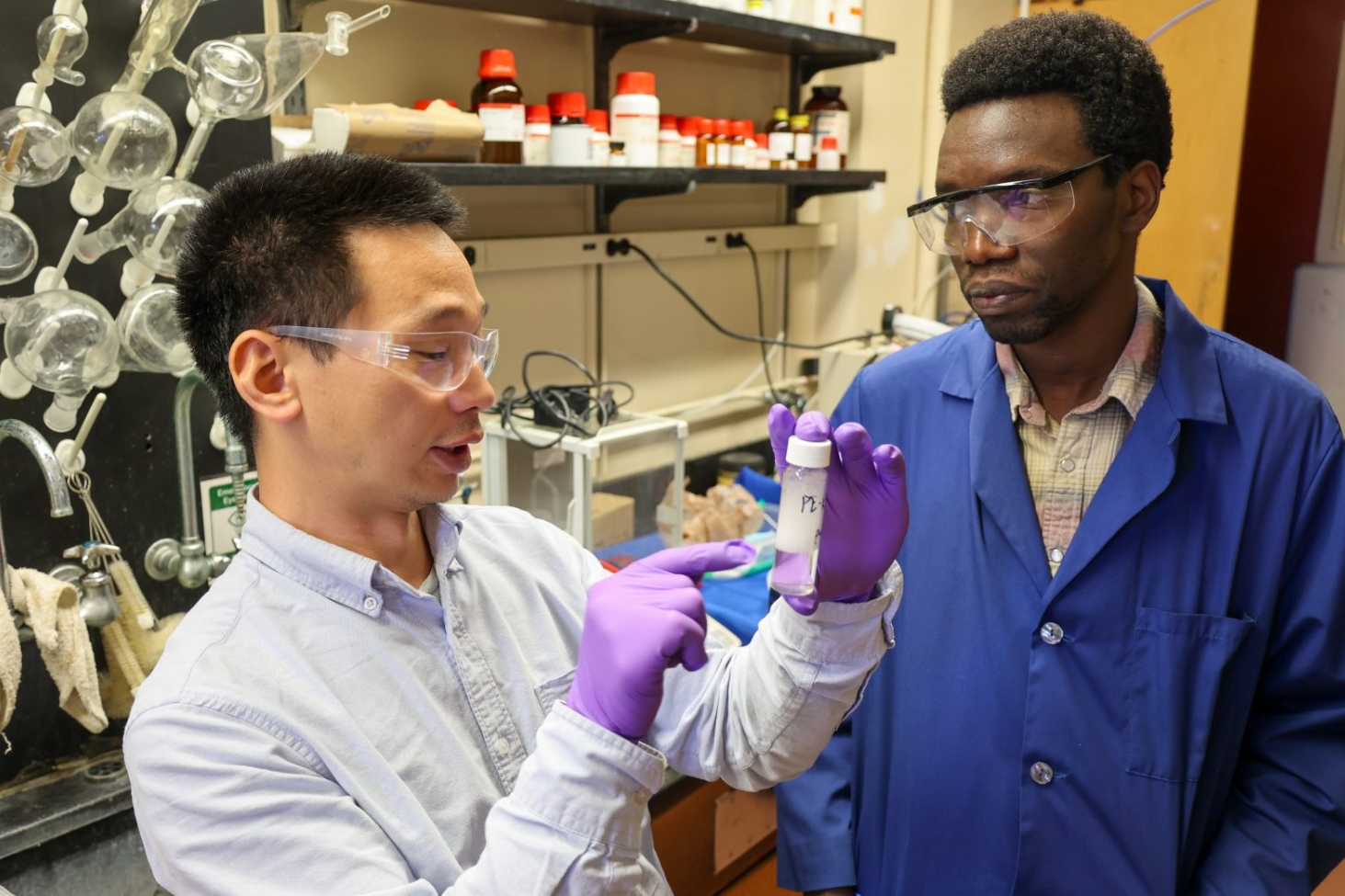
Researchers at Virginia Tech have discovered a way to make PVC plastic a requisite for high-performance lubricants like engine oil, which is extremely challenging to recycle. The method could improve the sustainability of adhesive production while also giving mountains of plastic waste a significant second life.
Mattresses Are Recycled in Oregon Through the Recycling Program
 Even though 75 % of the components in mattresses are reusable, Americans discard up to 18 million of them annually. Oregon is spearheading a recycling initiative that is changing the way mattress waste is treated. For new projects, the Oregon Mattress Recycling Council recycles the steel, foam, fibers, and wood. It collected more than 134, 000 mattresses in 2025 and disposed of 5.9 million pounds of material there.