
By Rebecca L. Rhoades
The majority of Americans are unsure of where their food comes from. The global agricultural consolidation and the rise in industrialization have created a disconnect between consumers and the fruits and vegetables they consume.
Agriculture is thus far removed from the lives of many people, according to Alicia Pavelski. Her husband’s family runs Heartland Farms, a around 27, 000-acre fifth-generation potato farm in Central Wisconsin that provides more than 650 million pounds of potatoes to chip producers, including Frito-Lay, on its around 27 acres. Additionally, the farm grows crops like corn, beans, peas, and soybeans.  ,
In a 2010 incident, Pavelski recalls a time when that lack of knowledge hit home. ” Frito-Lay produced a Fresh Rush program. We had fresh potato chips at the state fair in West Allis by 8 a.m. after harvesting at 10 p.m., sent the potatoes to the plant ( in Janesville, which is about 2 hours away ), and had new potatoes at the state fair in West Allis by 8 a.m. They invited us as farmers to come over and hand out the raw chips in response to the program, she says,” and explained that they were made in Wisconsin.” One man and my father-in-law argued for more than an hour that farms weren’t true and that we were just actors. He was unable to comprehend that the potatoes in a chip were grown on a farm. That definitely persisted in our minds for a long time.
When the family became aware that native schoolchildren were unable to figure out what part of a carrot they consumed, they knew they had to take action.  ,
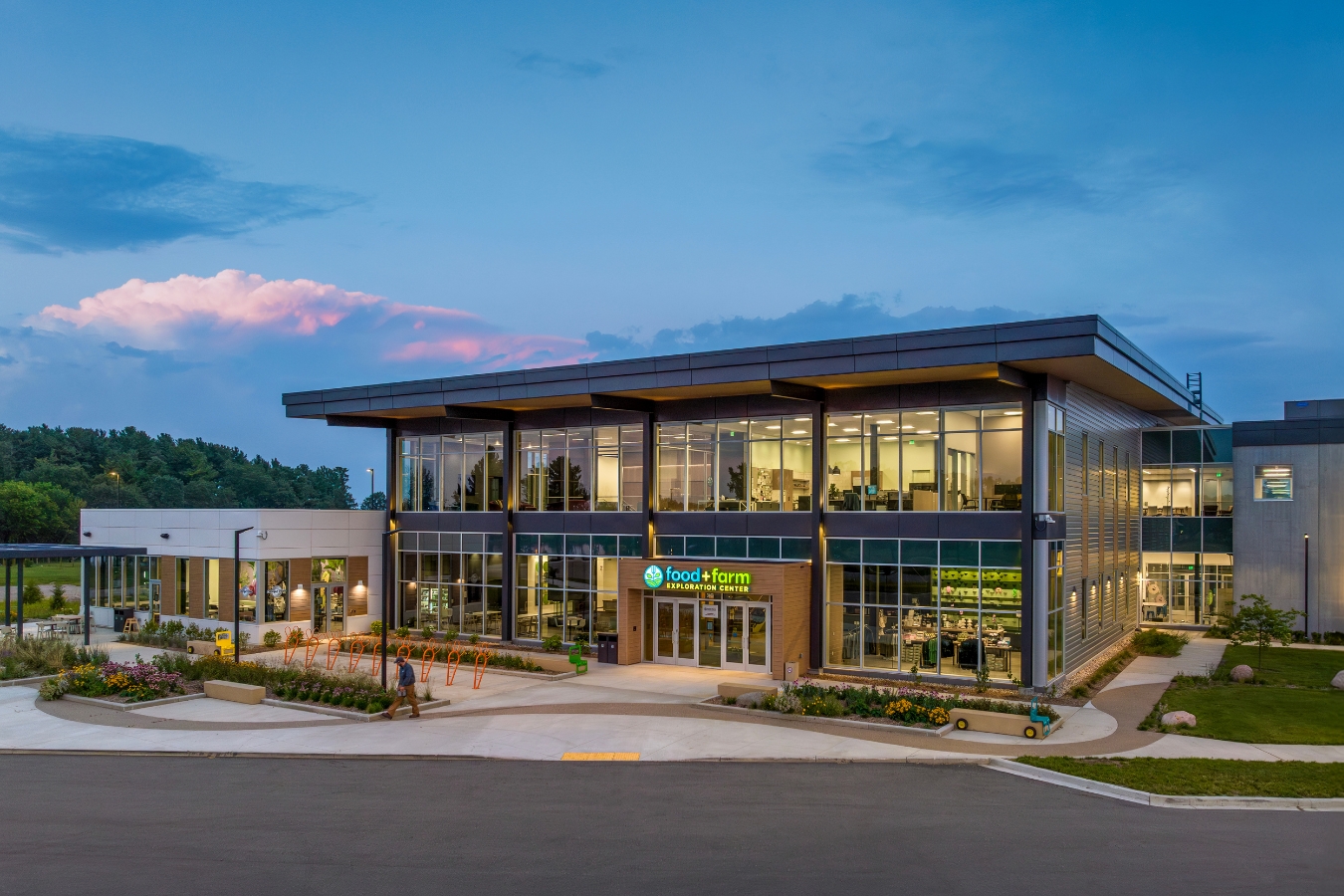
According to Pavelski,” we came to the conclusion that we needed a place that is empty year-round where people could come and learn about agriculture.” We could even demonstrate the variety of agricultural jobs. Just one-fifth of the population in the United States works in the agriculture sector, and they feed the other 98.5 % of the population. We need to recruit more people because it is quickly evolving and requires a mix of skills and people.
The Food + Farm Exploration Center, a volunteer education facility that aims to connect people with their food and those who grow it, opened its doors in December 2023.  ,
Potatoes to play
Plover, a tiny rural village just north of Stevens Point, is where the F+FEC is based. It is best known for its agricultural roots, particularly potato and carrot production. The center is both a community hub and an informative one thanks to the donation of 24 acres by another family of multigenerational potato growers by the Farming for the Future Foundation.  ,
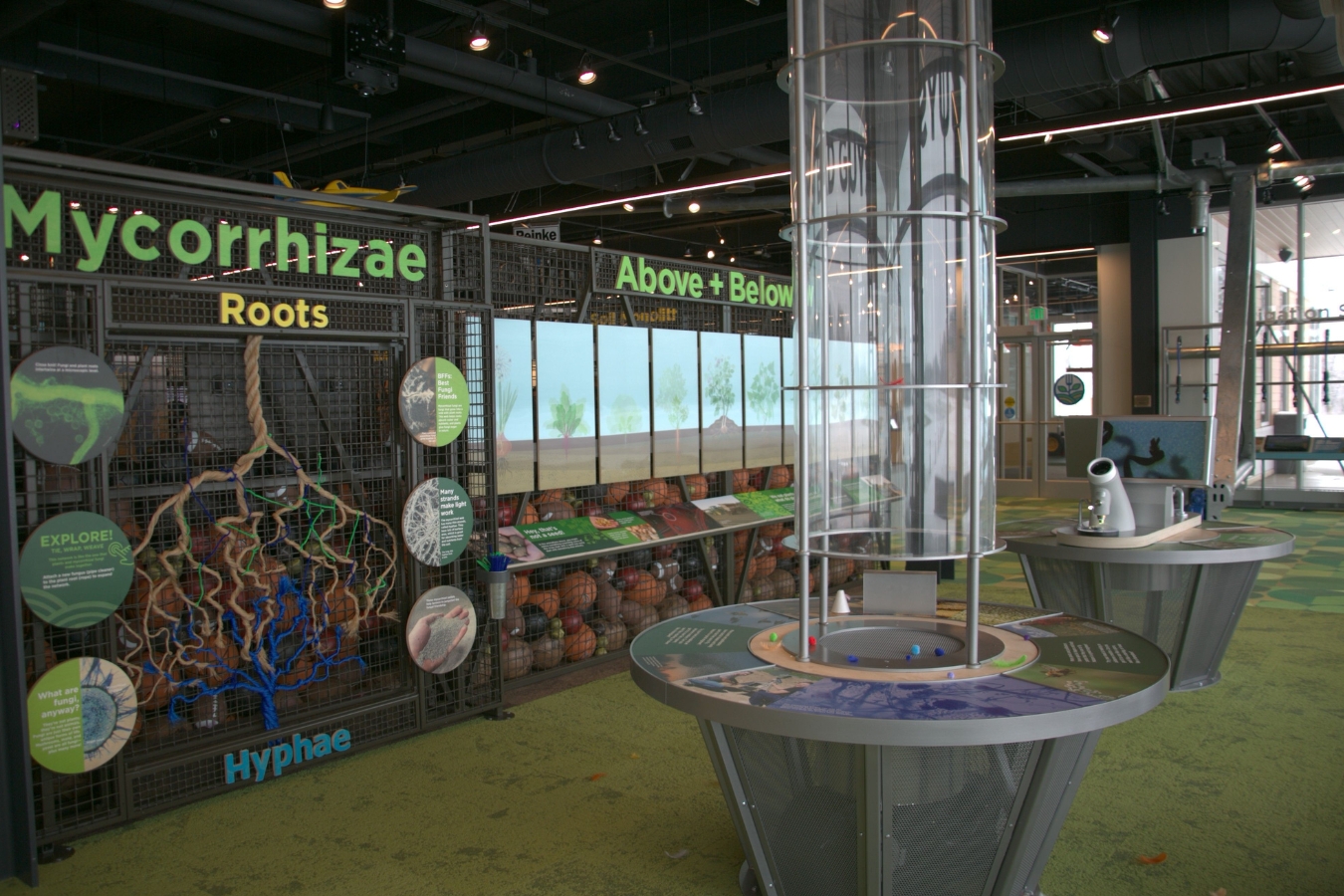
The 50, 000-square-foot, state-of-the-art glass-and-steel campus combines cutting-edge technology with interactive exhibits, a kitchen lab, a greenhouse, a makerspace, and hands-on activities for visitors of all ages. The numerous educational options are complemented by four 1-acre demonstration gardens and exterior learning spaces.
” We have more than 60 engaging exhibits that cater to everyone’s needs, from the youngest learners to the most seasoned adults,” Pavelski explains.  ,
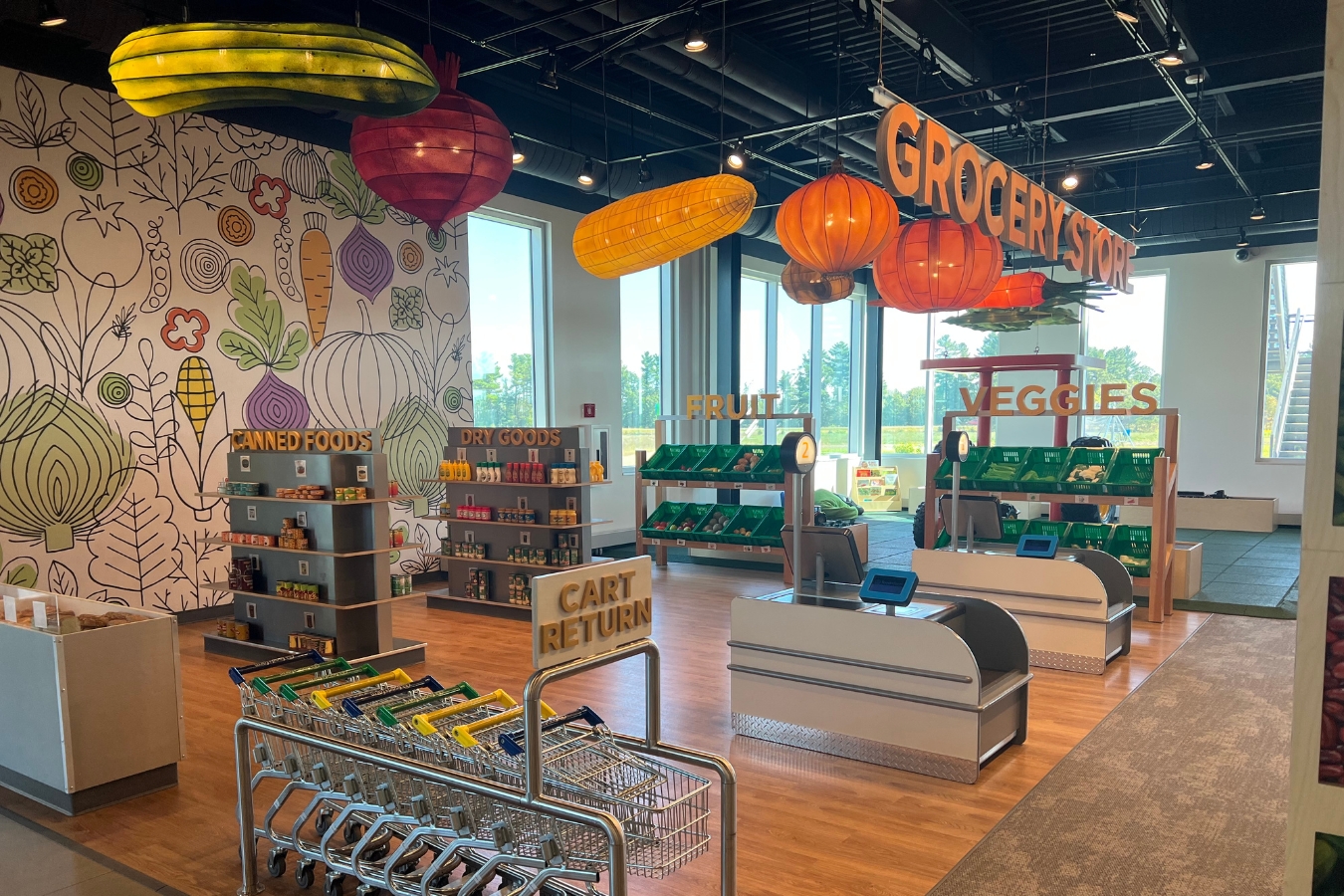
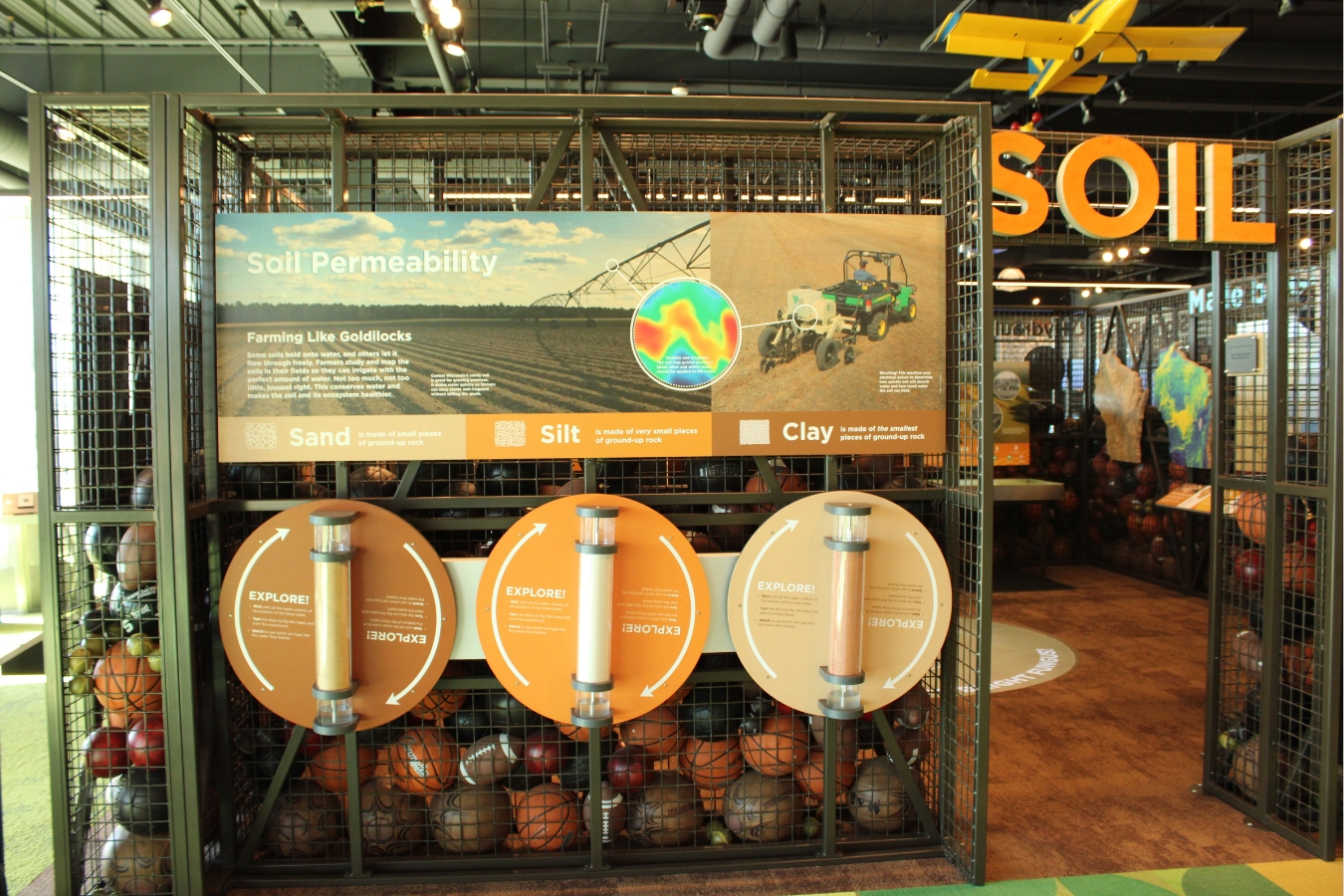
Through hands-on activities, The Seedlings Gallery encourages children to learn how food moves from farm to table, including a play kitchen, grocery store, and food truck. The science, technology, and engineering that underpin modern agriculture are highlighted in The Ag STEM Gallery. Visitors can explore everything from water management and soil health to food processing and transportation thanks to engaging technology, interactive simulations, and real-world equipment.  ,
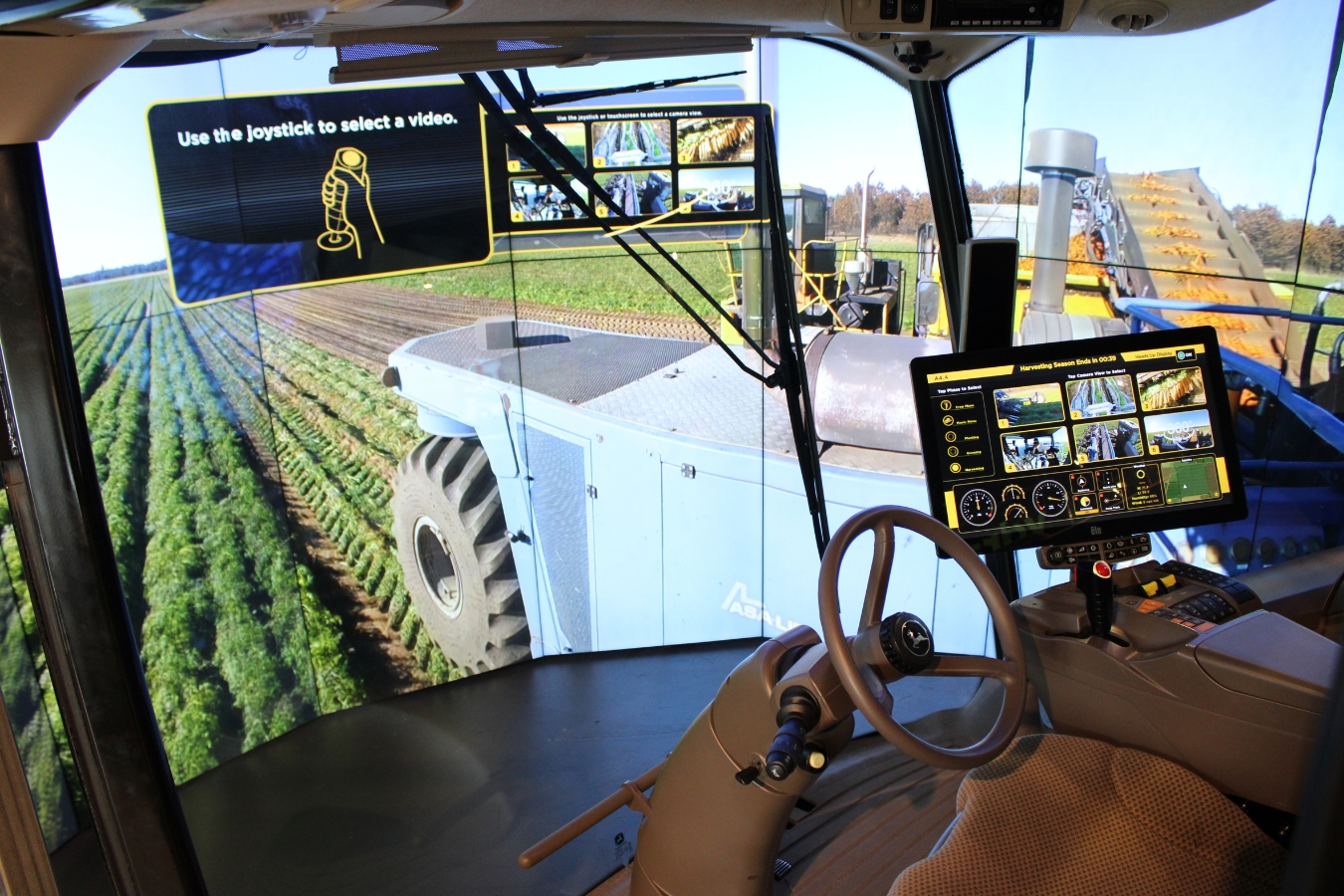
The Farm Tech Shed is one of my favorites. According to Pavelski, it’s a big glass room with real farm equipment that visitors can climb onto and touch. It doesn’t matter who you are or how old you are; tractors are cool.
Beyond the walls of the center’s greenhouse and exterior gardens, learning continues. Pavelski says,” We’re these to teach about plants and agriculture.” Visitors can observe the stages of true plants ‘ development, such as potatoes, corn, and peas. Additionally, the F+FEC offers complimentary U-pick days at various times throughout the year. Watching children who have not eaten a pea sit it, open a pea pod, and fall in love makes my heart melt, Pavelski says. Community members in the area harvested nearly 85, 000 pounds of produce in 2026 to bring home to feed their families.
Lastly, the world’s largest potato masher is the most well-known and unusual element of the F+FEC, and no discussion of it would be complete without mentioning its most well-known and strange element. The stainless steel landmark can be seen for miles as it towers over the gardens at 39 feet high and weighs 7,500 pounds. The enormous kitchen utensil stands in for Wisconsin’s agrarian heritage and serves as a humorous counterpoint to the center’s more important work.
According to Alexandria Behrend, professional director of the F+FEC,” the truth is that we’re going to have to double our food production within the next 50 years with fewer fields, less water, better sustainability, and fewer people working.” ” We need people to appreciate and comprehend where their food comes from, so they should begin to protect farmland.”