
BY BETH WEITZMAN
I began looking for the best organic produce when I relocated from Los Angeles to Scottsdale almost five years back. A friend introduced me to Gilbert’s Agritopia Farm. Since then, I’ve been obsessed.
Shortly after, I began a regular Farm Box, which introduced me to what grows each year. However, the vegetables just provide one aspect of the narrative. Agritopia is even a place to meet local artisans, get a much dirt on your hands, and get a close up of a working farm.
AGRICULTURE IS KEEPING AT THE CENTER
This Gilbert farmland produced alfalfa, cotton, and wheat much before it developed into Agritopia. The farm was purchased in 1960 by Jim and Virginia Johnston, who built a home where they would raise their three sons.
Agriculture remained a key component of the family’s vision, according to head farmer Kelly Saxer, despite the land falling into disuse for years after its final cotton harvest. The Johnstons placed the 11-acre farm in a Farmland Trust to protect its agrarian future as the property changed into the Agritopia community.
Saxer says,” The family is certainly pleased that Agritopia Farm grows produce for distribution within Gilbert to feed and nourish the native community.”
THE WORK IN THE HARVEST
” The farm became pure in 2016 and has been since.” We practice excellent crop rotation, add compost and manure to the soil, and grow without the use of chemical fertilizers and pesticides, according to Saxer.
Certification calls for thorough records of soil inputs, plant purchases, and harvests, as well as quarterly audits of California’s certified organic farming practices. Additionally, the team avoids planting the same crop at the same location every year by tilling the old crops up into the soil.
Saxer claims that the majority of our in-field work is done by hand tools. Water is effectively delivered to field crops by drip irrigation while conserving it.
The desert’s growing calls for adjustments. According to Saxer, “our citrus have more sunburn than actually before.” Very few frosty days were last year for peaches to set fruit. The team stopped growing alternative beans because they didn’t produce well.
Harvesting according to order even reduces waste. The team can match a large portion of its harvest to demand thanks to Farm Box subscriptions and retail and general preorders. Produce that is sold on farmers ‘ markets and is not resold typically goes to the fields as compost.
A REFRESHED FARM STORE
In the middle of September, The Farm Store reopened, giving customers another way to incorporate nearby food into their week.
According to Saxer,” we wanted our Farm Store to be more like what you’d find at a farmers market.” With an emphasis on exclusive, high-quality native products, a larger, more constant produce selection is added to breads, cooked goods, meats, and grab-and-go meals and beverages. Labels distinguish Agritopia’s certified organic produce from partner farm offerings, which Saxer claims are not always certified healthy but are.
The advantages go beyond the grocery store: shorter journeys from farm to plate can result in longer-lasting produce, fewer trips by car, and a more direct connection to the area where food was grown.
She goes on to say that buying native means supporting the local businesses and people’s livelihoods.
A FARM OF WHICH YOU CAN JOIN
You can enjoy the farm without having to live in Agritopia. After a cup of coffee at The Coffee Shop or lunch at Joe’s Farm Grill, take a stroll along the paths through the fields to see what’s growing. Stop by the Farm Store to purchase something new to bring home. Volunteer or sign up for the waiting list for a community garden plot for a more hands-on connection.
Local vendors gather from 5 to 8 p.m. on the first and second Wednesdays of September through May, excluding January, to give visitors a unique opportunity to experience the farm. Explore local produce and handmade goods before having dinner at one of Agritopia’s restaurants.
Beyond the neighborhood, the farm’s reach extends. The Arizona Urban Agriculture Foundation, the organization’s parent organization, also runs the Heritage District Farmers Market in downtown Gilbert, helping another regional growers and producers.
The most immediate connection to what is growing is the regular Farm Box. Produce arrives just one or two days after picking, so members of the community have priority access to the harvest. Saxer claims,” You are aware of exactly where your food came from, who grew it, harvested it, washed it, and packed it.”
WANTING TO WINTER
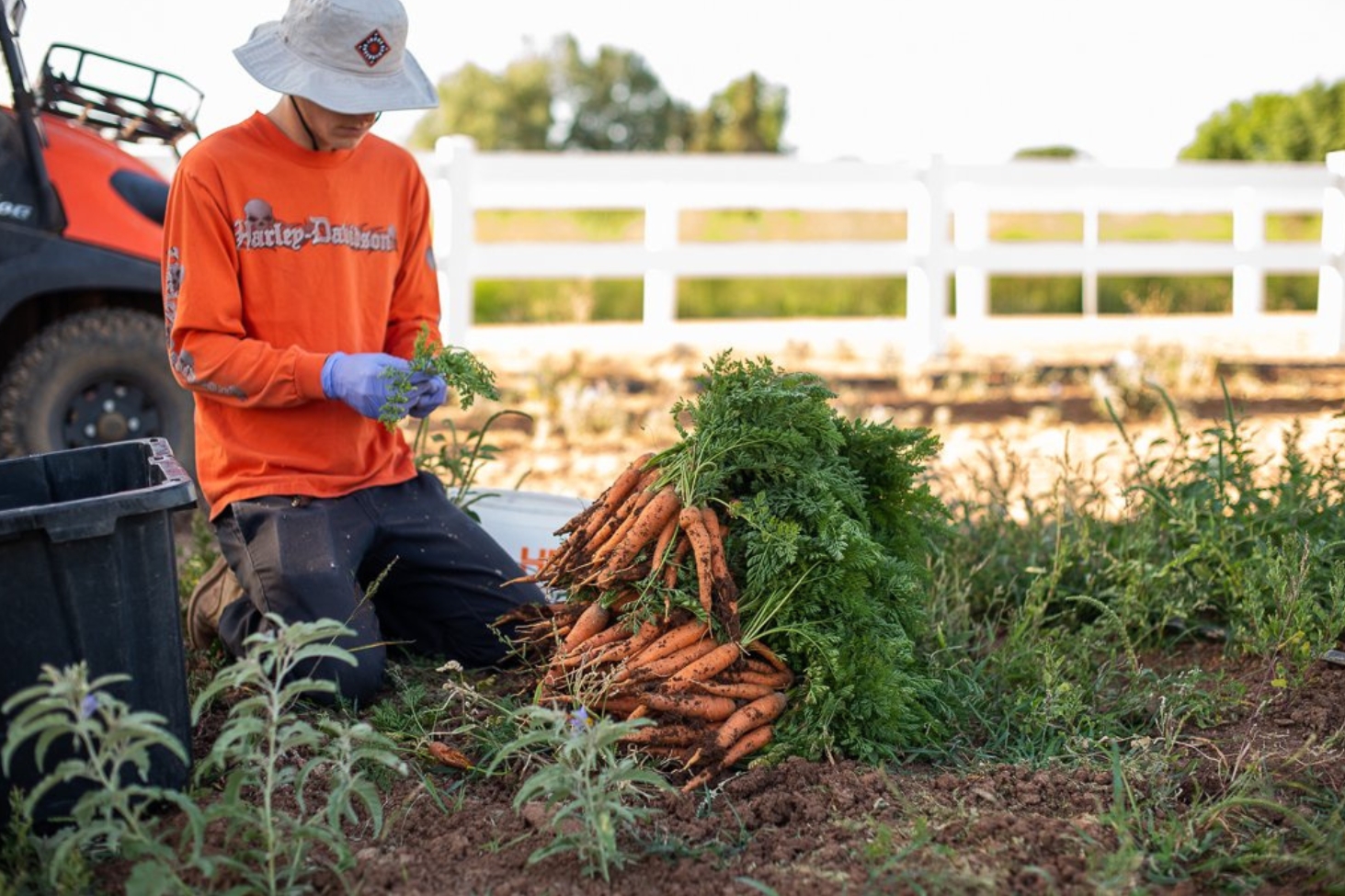
Along with radishes and turnips, November and December bring lettuce, spinach, mustard greens, and kale. By December, the harvest includes cabbage, broccoli, cauliflower, and citrus.
With four or five dates anticipated around Christmas and New Year’s, Citrus U-Pick offers another way to enjoy the season. Check the farm’s official dates on social media.
I came to Agritopia looking for high-quality natural produce. The chance to learn a little bit more about the food in my kitchen, the growers, and what the coming season will bring keeps me coming up.
Visit www. For more details, visit www.agritopia.com.