
BY ANGELA IMANI
Beauty is a form of art that is regularly admired but usually dismissed as a profession. The importance of the industry and its role in the daily lives and identity maintenance of its clients is highlighted in a new documentary produced by the world’s second higher education degree program for beauty and wellness professionals.
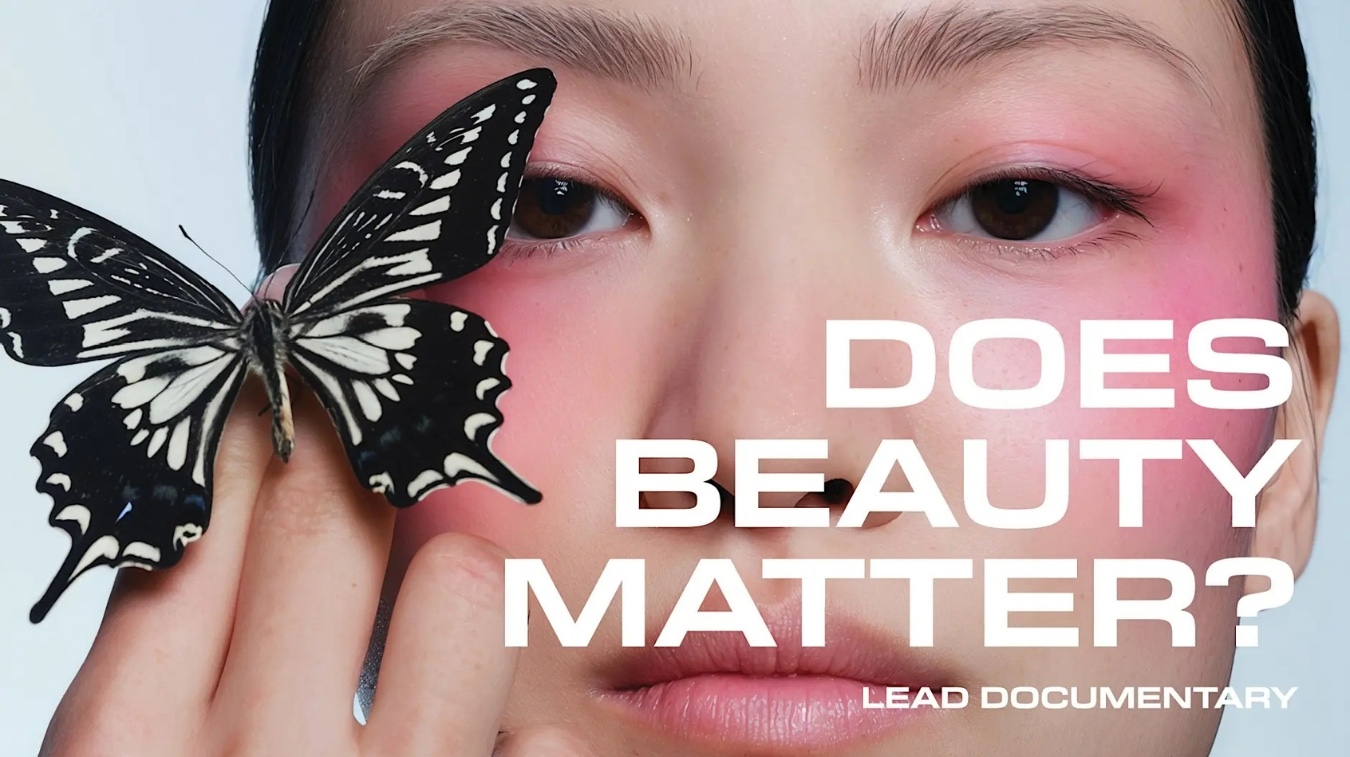
Does Beauty Matter? is a thought-provoking film produced by entrepreneur and educator Francis Tesmer, founder of the Lead | Rolfs Global Institute Powered byL’Oreal and CEO of Scottsdale-based Rolfs Global. It also calls for an evolution that will move the industry from a trade to a profession, which highlights the importance of beauty professionals in society.
The 22-minute documentary explores the breadth of a field that some critics describe as superficial, focusing on the social skills beauty professionals need to help their clients navigate everyday life.
New York residents in the movie reveal that their relationships with their beauty professionals are deeply rooted in trust and a shared understanding of what makes them look and feel great. One interviewee also makes a comparison between the relationship between a patient and a psychologist and her beauty expert.
This hands-on, people-first approach has allowed the industry to remain largely immune to arbitrary intelligence and computerization.
Kayla Greaves, an award-winning journalist and noted beauty expert who lately moderated a panel discussion at a VIP screening of the documentary at the Mesa Community College Performing Arts Center, states that “beauty is inherently romantic and personal.” A lot of it has to do with comprehending true human emotions, which a machine can’t do.
However, the industry is moreover witnessing rapid technological advancements and a new generation of distinctively individual aesthetics.
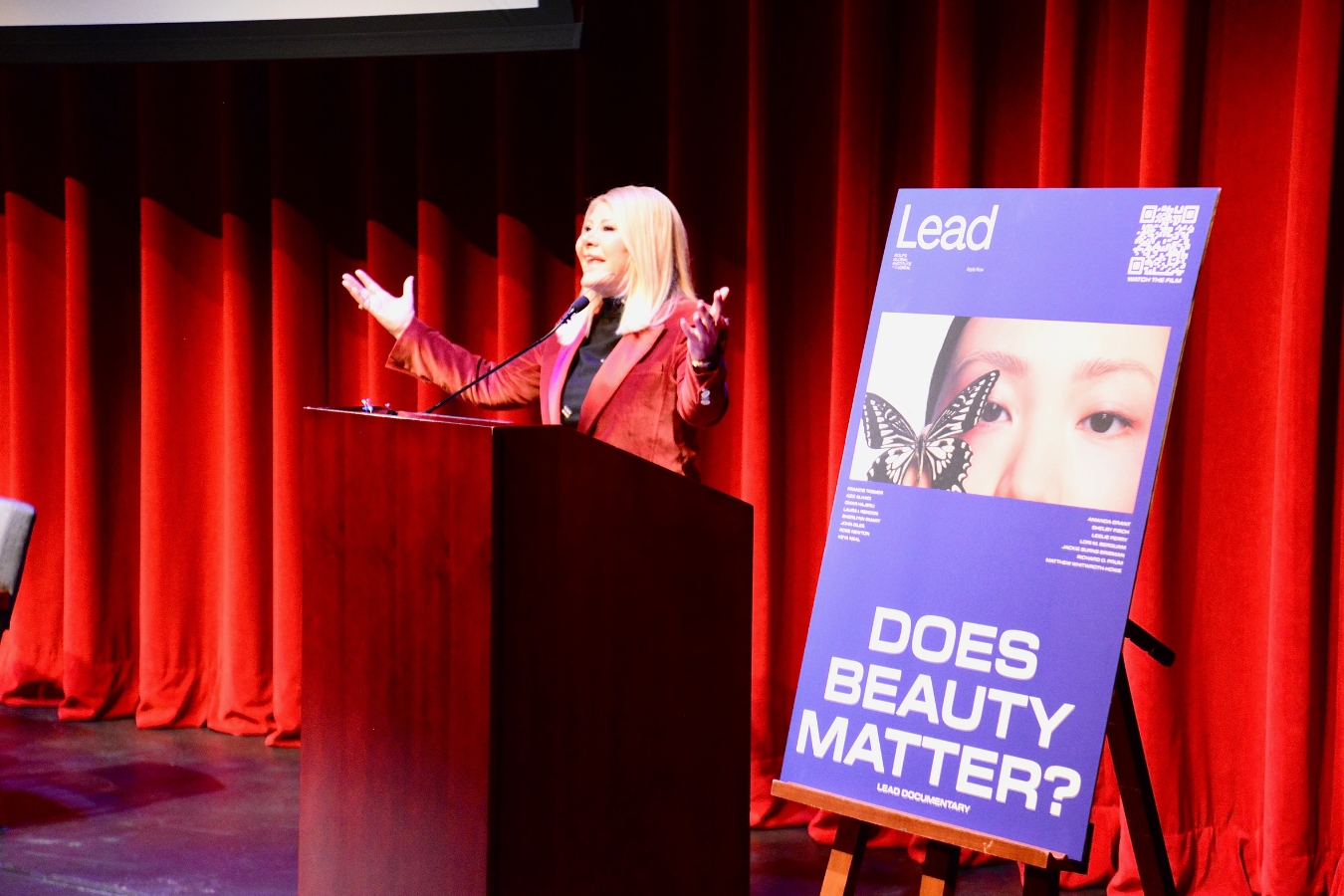
At a VIP screening of the documentary, beauty expert Kayla Greaves ( left ) moderates a panel discussion. The panelists are ( left to right ): Scott Lewis, associate professor of strategic leadership at Northern Arizona University, Hana Hong, associate editor of fashion at Forbes Vetted, Julie Sagoskin, associate editor-in-chief of Park Magazine, Krista Fabrick, associate editor-in-chief of Mesa Community College, and Francis Tesmer, president and founder of the Lead | Rolfs Global Institute.
The Lead | Rolfs Global Institute enters that field. The future of the beauty industry is assured by the accredited degree program, which provides students with the necessary training and guidance for success.
EDUCATION TO AGREETH
Does Beauty Matter? questions the criticism directed at the industry by identifying the breadth of the skills required to work in the beauty industry, from the practical social skills that are noticeable in client interactions to the scientific foundations of product development and the artistic prowess required of professionals to execute specific looks.
While cosmetology classes give students a chance to practice their craft, some students find success after obtaining their license with the lack of comprehensive courses offered by the education system. By incorporating a variety of courses that get students ready for the business-based challenges that lie ahead, Lead | Rolfs Global Institute aims to expand the education that is offered to students studying beauty.
A college degree offers a broad education foundation that can prepare students for opportunities in business ownership, management, education, and leadership, according to Krista Fabrick, MCC’s beauty and wellness director.
There are 1.3 million beauty professionals in the United States, with only 5 % having degrees, according to the movie. An accredited education program improves the reputation of the field and provides the resources needed by laying the groundwork for its students ‘ professional development while boosting their post-graduate confidence.
The importance of accreditation is made known by Scott Lewis, a panelist at the VIP screening and a professor of Strategic Leadership at Northern Arizona University. He argues that education is essential for professionals to understand their craft and help them become the best in their field.
” I really believe that there must be a desire to learn and to give it back” for the beauty industry to lead a new generation, Lewis explains. This is true of any industry that wants to advance.
IN THE CLASSROOM A CHANGE WILL BEGINNING
Tesmer acknowledges that the beauty industry is at the forefront of innovation, science, and technology, but its workforce has not already surpassed the industry’s speedy growth. The Lead | Rolfs Global Institute was born out of this idea. She wants to encourage beauty students to grow and advance alongside their fields.
” Over the past decade, society has undervalued the amazing people who work in the beauty industry. It’s not just about how we look; it’s also about having confidence, individual connection, creativity, and the ability to change people’s lives,” Tesmer says. By giving them the education, opportunities, and recognition they deserve, my goal is to change the way the world views beauty professionals. We are empowering them to lead a global industry and shape its future by teaching them how to work in beauty.
The Lead | Rolfs Global Institute collaborates with MCC and Arizona State University to provide a bachelor’s degree in health, entrepreneurial, and innovation to beauty professionals. Offering a quick and cheap program, licensed beauty professionals can count on up to 30 credits toward their degree.
Does Beauty Matter? is available for streaming on Apple TV and Tubi. Visit www. The Lead | Rolfs Global Institute to learn more. Leadinstitute. degree.